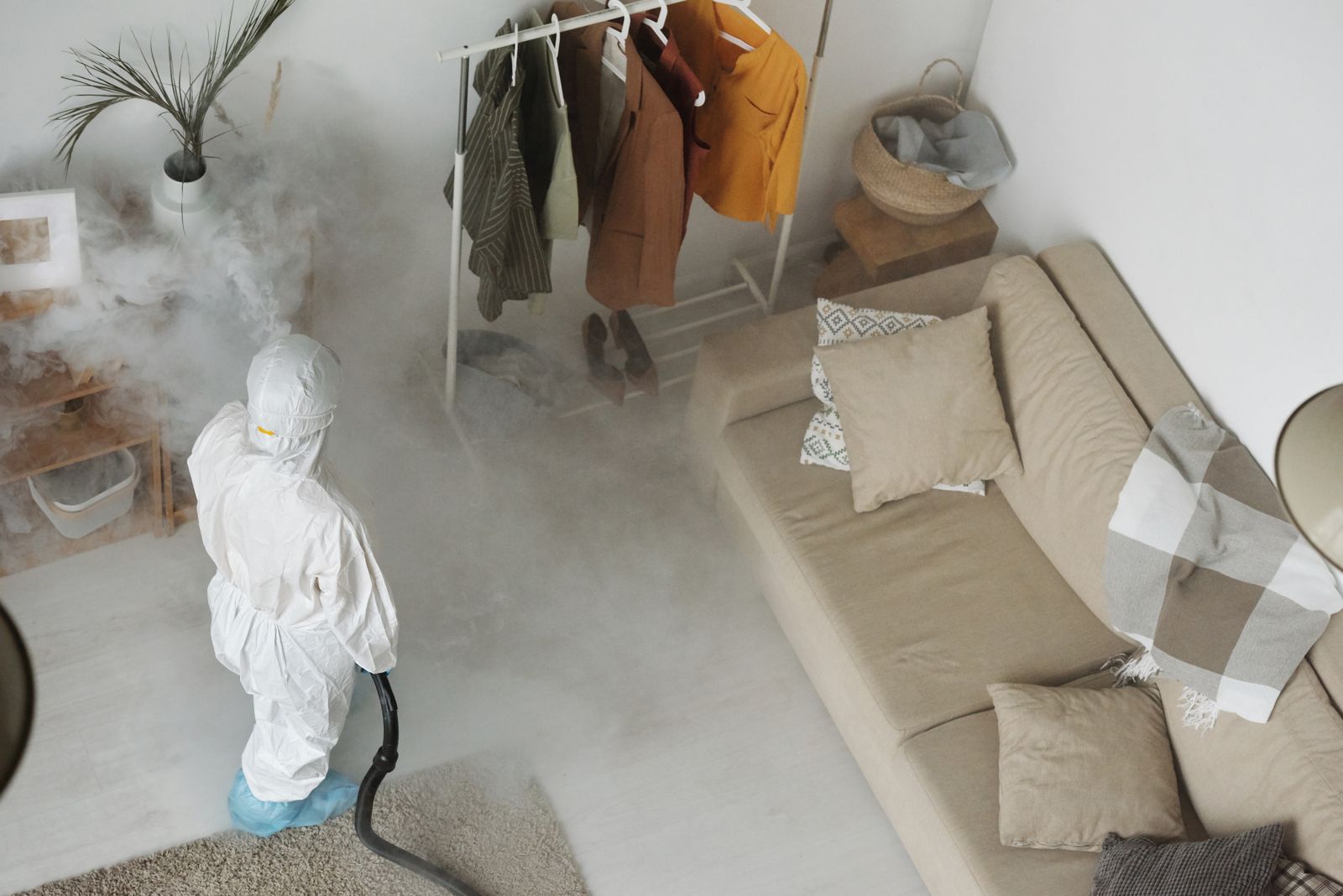
Service options may include ants, spiders, cockroaches, house crickets, mice, earwigs, silverfish, clothes moths, centipedes, millipedes, and termites.
Store dry foods in closed containers, wipe crumbs from counters, and keep pet food covered between meals. Repair ordinary drips and dry damp surfaces when practical. Keep boxes and textiles orderly, and maintain door sweeps and seals around small utility openings. These everyday habits can reduce attractive food, moisture, and entry conditions without disturbing suspected activity.
TERMITES & TREATMENT BASICS
Leave tubes and discarded wings in place.
Mud tubes, discarded wings, and wood that sounds hollow can be signs worth evaluating. Avoid breaking or removing possible evidence before an inspection. Treatment basics may include confirming activity, locating contributing moisture or access conditions, and selecting an approach for the building. Follow product-specific directions and ask what monitoring or follow-up applies to the chosen treatment.
CLOTHES MOTHS & MICE
Keep stored goods tidy and food closed.
Clean textiles before putting them away, use closed storage for seasonal clothing, and keep pantry goods in sealed containers. Note repeated activity or damage by room so a provider can identify the pest and discuss appropriate control.
Pest-control questions
What attracts common household pests?
Accessible food, routine moisture, cluttered storage, and small gaps can contribute to activity.
Can household habits replace treatment?
Prevention can help, but persistent activity may need identification and a service plan.